Yamaha just recalled every unit of its new flagship superbike, the R1, due to major transmission problems - and this has a lot of owners very angry. Here's how this recall could be a make-or-break moment for Yamaha.
Last week, after a number of rumours that Yamaha was experiencing problems with the gearbox in its flagship superbike, a recall was finally announced - and it's a big one. Yamaha is recalling every unit sold of the all-new R1 - over 3500 units - and replacing the entire transmission on all of them.
It's going to be a big, expensive recall for Yamaha, and a headache for owners of the bike. But instead of being a black eye on Yamaha's reputation, it could actually be an opportunity for them to enhance customer loyalty – if they handle it right.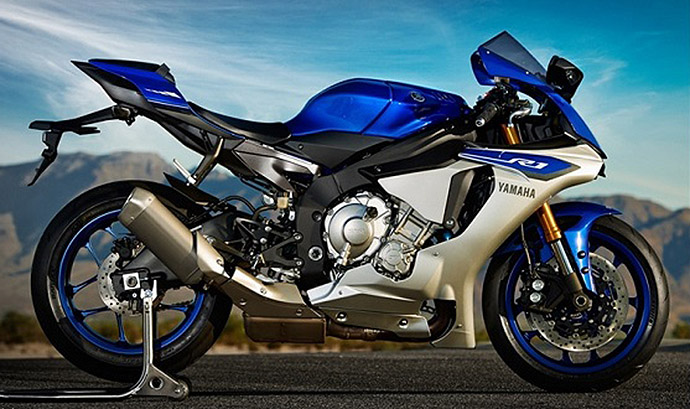
Why Such a Big Recall?
Here's the deal with the recall. The 2015 R1 and R1M have weaknesses in the gearbox - specifically, weak 2nd, 3rd, and 4th gears - that could cause them to break under extreme stress, making the transmission to lock up, and potentially cause injury or death. Sources say the cases that prompted the recall were from track and race bikes that are subject to extreme abuse, but Yamaha is recalling every unit to make sure they've done all their due diligence. In that respect, they are doing a good job getting out in front of the problem, and making it right as fast as possible.
But this recall will not be cheap for Yamaha. The procedure involves removing the engine from the bike, splitting open the engine cases, and completely removing and reinstalling a whole new gearbox - a job that Yamaha estimates will take at least 16 hours of labour, plus around $500 in parts
The job will cost an average of $2100 which, when multiplied by 3500 affected units, will cost Yamaha at least a staggering $7,350,000 to carry out. When you consider gross dealer margin is right around $2000 per unit on the R1, and Yamaha's margin is roughly in the same ballpark, which means this recall could completely wipe out any profit the new R1 might have generated for Yamaha this year. Ouch!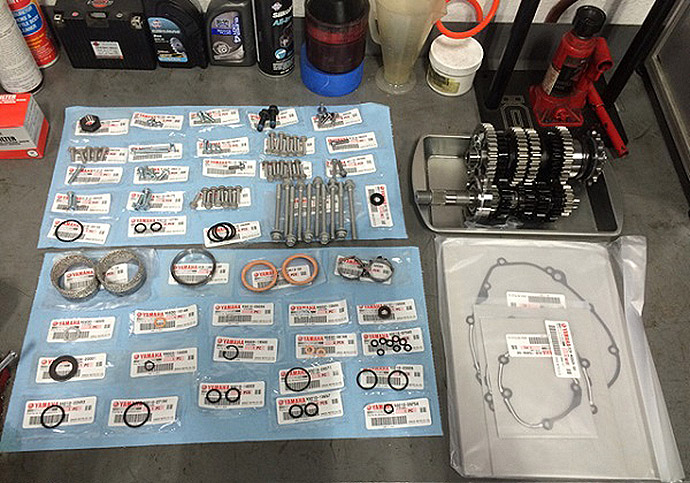
What It Means For Riders?
Now as an owner of the 2015 Yamaha R1, I'm one of the ones affected. I didn't buy what was supposed to be the greatest superbike on the planet this year to find out it was sent out with a half-baked transmission, will need the engine case to be cracked open and put back together in a way that will almost certainly not be as good as Yamaha did it at the factory, and I won't even be able to ride it for a month or two. Needless to say, I'm not happy about the recall.
But consider this: While the R1 recall is a big deal because of the high-profile nature of the bike and the expense of the repair, it's far from the only recall in the news this year. Yamaha actually recalled 4900 units of 6 other 2015 models due to other gearbox problems, and Honda recalled 45,000 bikes this year due to faulty ignition switches that could cause the engine to stall unexpectedly.
But the king of recalls by far is Harley-Davidson, who recalled a staggering 312,000 models this year for a laundry list of assorted problems. The Motor Company has actually been plagued with recall-related woes the last few years; between 2012 and 2014, they spent a whopping $30 million on recall-related repairs!
So the truth is, recalls happen - all the time, in fact. And while the "idea" of a recall makes it sounds like a brand is cranking out crappy quality product, recalls are actually a good thing.
Why Recalls Are Actually Good?
A recall is a manufacturer's way of saying "listen everyone, we screwed up on something we sold you, and while there is only a tiny chance of it actually affecting you, we want to make sure there is no chance of that happening...so we're going to make it right." Recalls are costly - both in dollars and in reputation - so when a company gets out in front of a problem like this, it means they are taking their responsibility to their customers seriously.
In fact, not performing a recall when one is warranted ends up being a lot worse for a brand. Ducati found this out the hard way, when it had an issue with warping gas tanks on a number of 2008-2010 models (likely caused by ethanol in American fuel.) Complaints were widespread, but Ducati didn't do anything about the problem - at least, not until a class-action lawsuit was filed against them in 2010, which they ultimately settled by extending the warranties on some 50,000 motorcycles.
It was a costly defeat for Ducati; but what may have been more costly was Ducati's refusal to acknowledge the problem early and make its customers happy without being forced to do so.
How Will Yamaha Handle It?
Will Yamaha do the same? So far, no indication has been made that Yamaha will be doing anything beyond replacing the gearboxes - but as I said before, that alone is "making it right" by most reasonable standards. While it is a big problem, and dealing with the recall will be a headache, knowing that I bought a bike from a brand that will go out of its way to fix potential problems as soon as they are discovered means a lot to me.
How Yamaha ultimately handles this recall remains to be seen, but the fact that it is happening is not inherently a bad thing; it's how they handle that's most important, and what will leave a good or bad taste in owners mouths for years to come. I don't like recalls. But I also don't expect Yamaha or any other brand to be perfect all the time. I just expect them to make it right when they get it wrong. And we'll see if they do.
And hey - at least I get a free oil change out of it.
 If week two is where the
 IMPRESSIVE FINAL STAGE WIN FOR CHILEAN RIDER AFTER 9,000 KM JOURNEY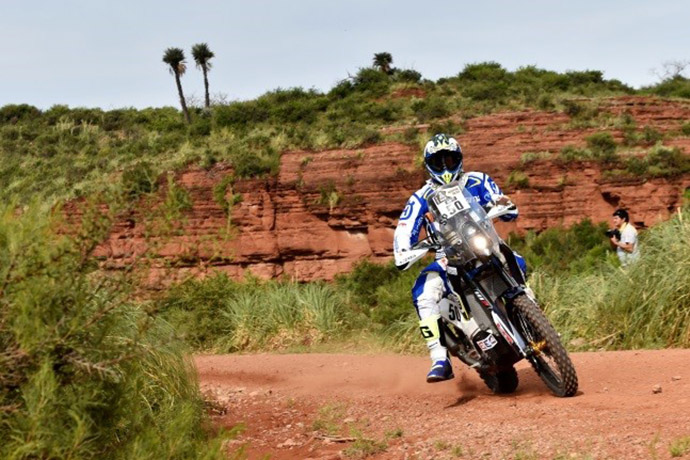
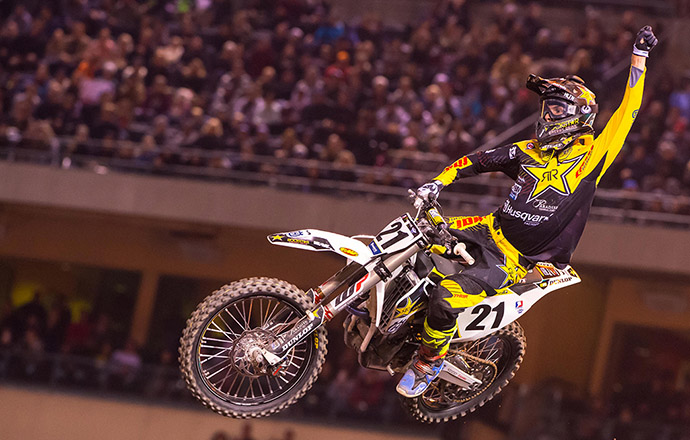 Jason Anderson has given Husqvarna their first ever win in the AMA Supercross series, after taking victory on the opening night of the season at Anaheim. Anderson chased down the factory Honda of Cole Seeley after a good second start when the red flags were brought out for a crash between reigning champion Ryan Dungey and James Stewart on his return from a drugs ban.
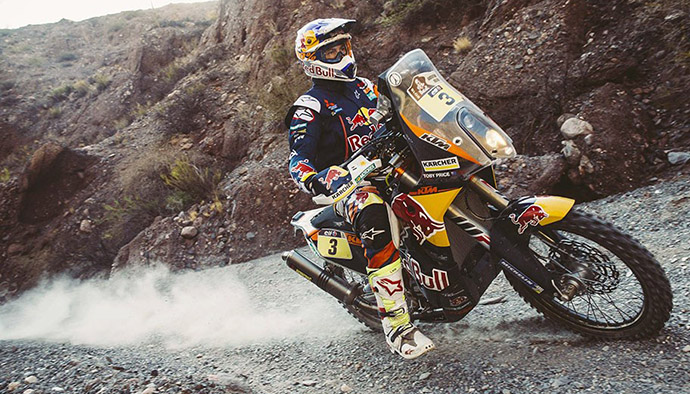
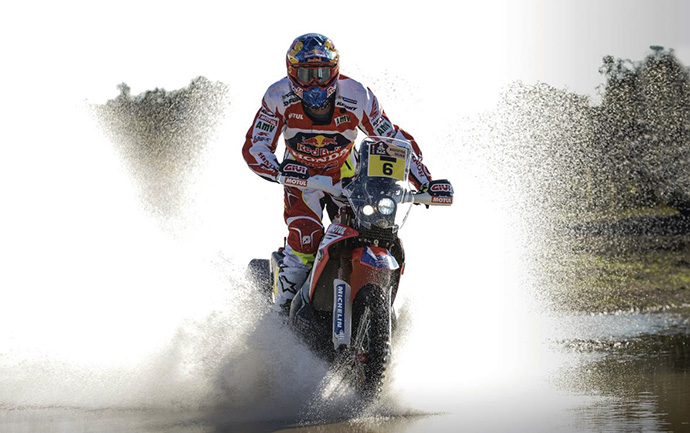 Motul’s proven technical success at the Dakar Rally Is just weeks way from being put to the test once again. One of the most gruelling and challenging motorsport events in the world for off-road drivers and riders, Dakar Rally 2016 will take place from 2 – 16 January across Argentina and Bolivia and the entry list includes no fewer than 40 Motul-supported entries covering three categories – bikes, quads and cars.
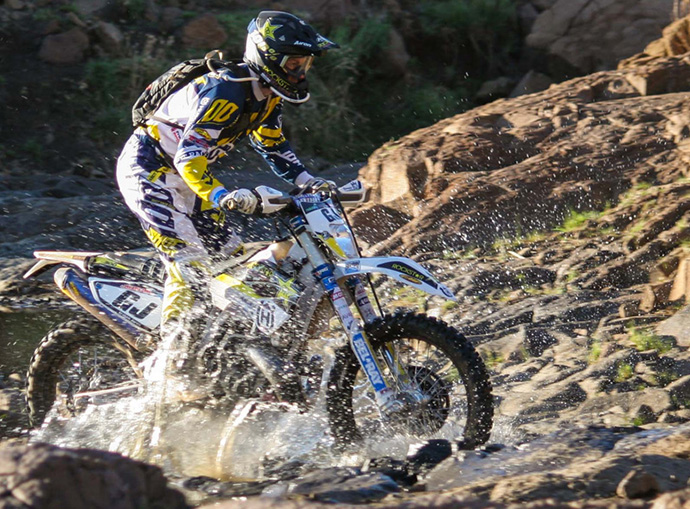 Rockstar Energy Husqvarna Factory Racing’s Graham Jarvis has won the Roof of Africa, ending the three-day event ahead of Wade Young and Brett Swanepoel.
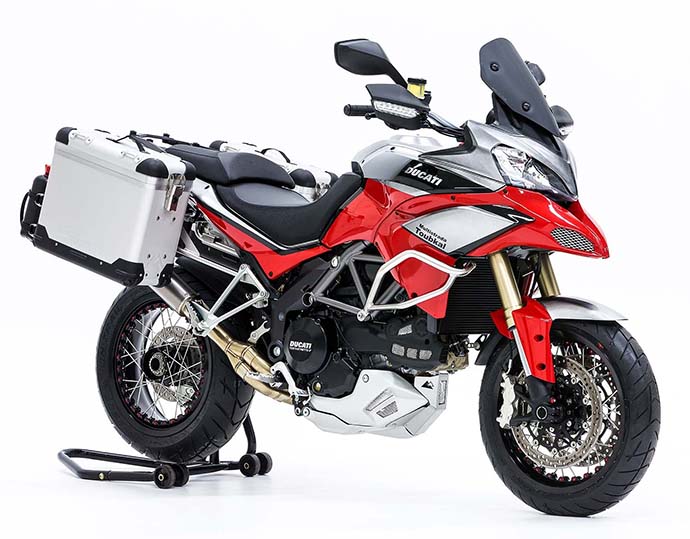 Since the Multistrada’s introduction more than a decade ago, there has been an obvious hole in