


 Stretching back in an unbroken series of models over nearly fifty years to the iconic and ground-breaking Super Four model Z1 of 1972, Kawasaki has an enviable Z heritage in the naked class.
Kawasaki is not looking back with its latest top level Z though. Instead, it encourages riders and fans to look to the future and anticipate meeting the most radical, most technically advanced and most powerful Z ever; the Z H2. Harnessing Kawasaki’s considerable in-house experience with the Ninja H2 and Ninja H2R, the Z H2 forces the world of motorcycling in a new direction with the ultimate Hypernaked machine. Being at the pinnacle of the 2020 Z family is a huge responsibility which calls for a machine with a feature list satisfying the wants and needs of even the most demanding rider, delivering a specification that exceeds those demands thus creating “The Ultimate Z”. Echoing the core spirit of Kawasaki’s unique “Sugomi” design philosophy – where each styling innovation is matched equally by an engineering feature - the Z H2 literally bristles with interesting rider focused facets.
 Of course, most attention will initially be focused on the majestic 998cc four-cylinder engine equipped with Kawasaki’s in-house developed and manufactured integrated balanced supercharger. With a targeted heady peak of 200PS, the virtues of the design are a controllable yet invigorating flow of power building to a satisfying crescendo matched to more down to earth subtleties such as a rider friendly character that results in an eminently manageable ride. So whilst the Z H2 will be attractive to highly experienced riders, its all-round manageability makes it accessible to the wide potential audience.
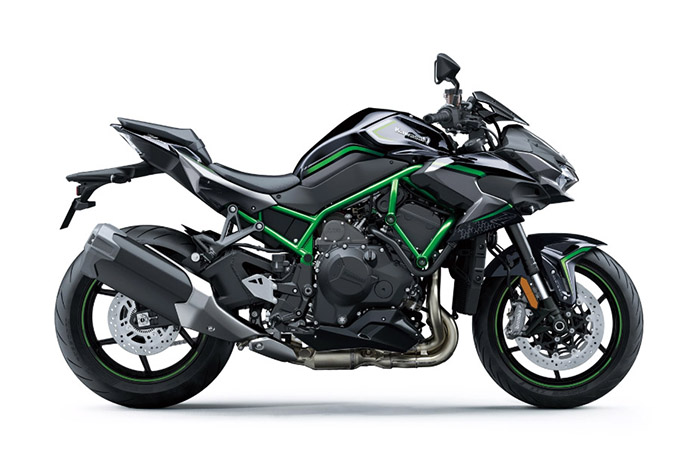
 Exterior clues to the special nature of this “ultimate Z” abound with a new take on Sugomi styling and visual updates such as all LED lighting including indicators and licence plate illumination. The easy to read TFT meter panel is instantly recognisable and – upon closer inspection – the up/down quick shifter is apparent plus, on the left bar cluster, adjustment for the standard fit cruise control and a host of other rider-centric features. Kawasaki’s much praised trellis type chassis as used on previous supercharged models is updated for the new Z while Brembo M4 calipers appear attached to the Showa BPF front forks attesting to the high-quality specification of this class leading naked machine.
 Deeper inside, Kawasaki engineers have worked hard to ensure a dynamic balance between performance and durability making a supercharged streetbike a practical yet exotic reality. With its assist and slipper clutch plus dog ring gearbox technology, clever use of oil as a coolant to eliminate the need for a bulky intercooler and manifest oil jets playing on key components, KHI engineers have married reliability to rideability in a way only they know how.
A large number of electronic rider aids via the Bosch IMU such as traction control, intelligent anti-lock braking, cornering management function, selectable rider and power modes, anti-wheelie control are matched in the tech league table by Bluetooth connectivity which – via the Kawasaki Rideology Smartphone app – allows riders to interface with their machine and discover more about their ride and machine status, all via the screen of their mobile phone. Allied to practical information such as fuel economy and journey facts, there are also features such as a lean angle meter recorder that are sure to be a popular function. From its asymmetric supercharger air intake to one side of the menacing twin LED headlamps, via the reverse embossed “Supercharged” icon on the impeller unit to the aggressive Sugomi stance and dramatic colour coded trellis chassis with its imposing bodywork, the Z H2 is a symphony of sensation. Much anticipated, much talked about and perhaps most eagerly awaited of all 2020 Hypernaked machines, the Z H2 is here and ready to take its place at the head of the Z family and to take charge of the popular naked class.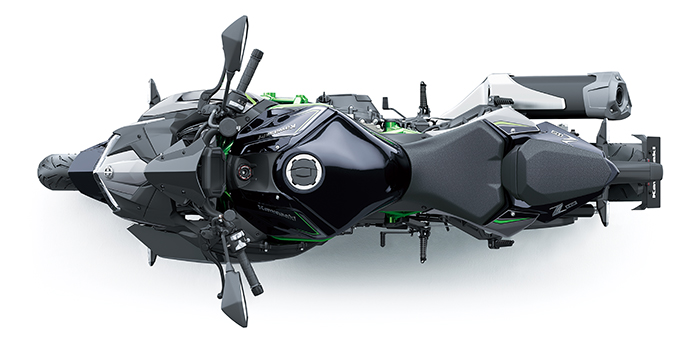

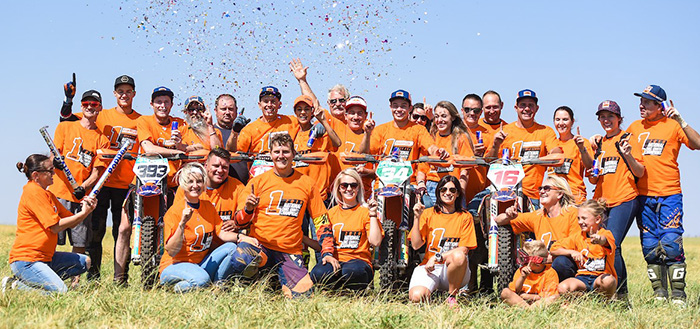 KTM South Africa completed its dominance of the National Cross Country Championship in Bronkhorstspruit on Saturday. Not only did the orange brand walk away with the 2019 Manufacturers Award, but a total of five national titles.
 PETRONAS Yamaha Sepang Racing Team will field two A-Spec Yamaha YZR-M1 machines in 2020 thanks to additional commitment from PETRONAS and Yamaha.
 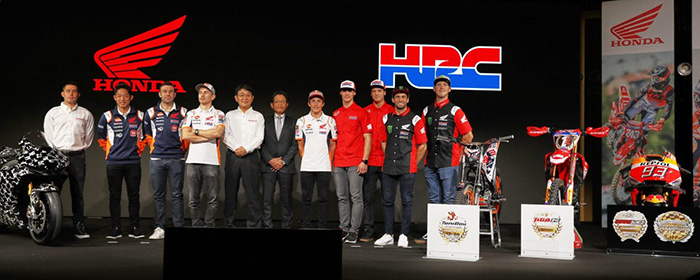 Honda announced its plans for participation in motorcycle motorsports world championship racing for the 2020 season and the Dakar Rally 2020, at EICMA 2019 in Milan, Italy.
 To date, Honda has participated in numerous categories of FIM*1 motorcycle racing world championship with its factory teams*2 operated by Honda Racing Corporation (HRC).
 In 2020, HRC factory teams will aim to defend their crowns in MotoGP, Motocross and Trials. Furthermore, Honda's HRC factory team will continue to compete in the Dakar Rally which moves from South America to Saudi Arabia from next year.
 Numerous Honda teams will also be competing in the world championships: F.C.C. TSR Honda France will continue its quest for dominance in the FIM Endurance World Championship, while Team Honda HRC (American Honda Motor Company factory team) will continue to fight for the 450SX class title in the AMA*4 Supercross Championship.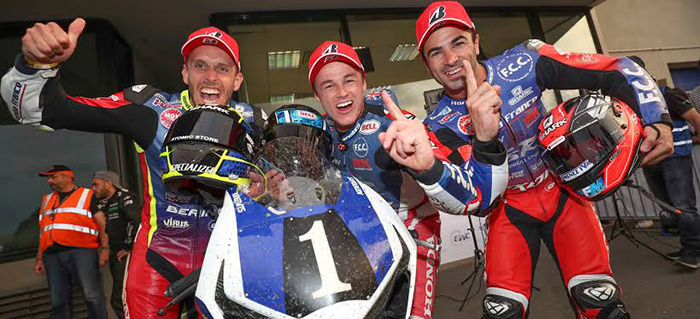

 AMA SuperCross World Championship Series (450SX)

 After teasers and prototype, the final version of the most fierce BEAST yet has officially emerged from the darkness.
 HEART OF THE BEAST
 DROP THE ANCHORS
 Kawasaki
 Brakes are slightly lower-spec Brembos, with relatively affordable Showa suspension front and rear also showing signs of the beancounters getting involved.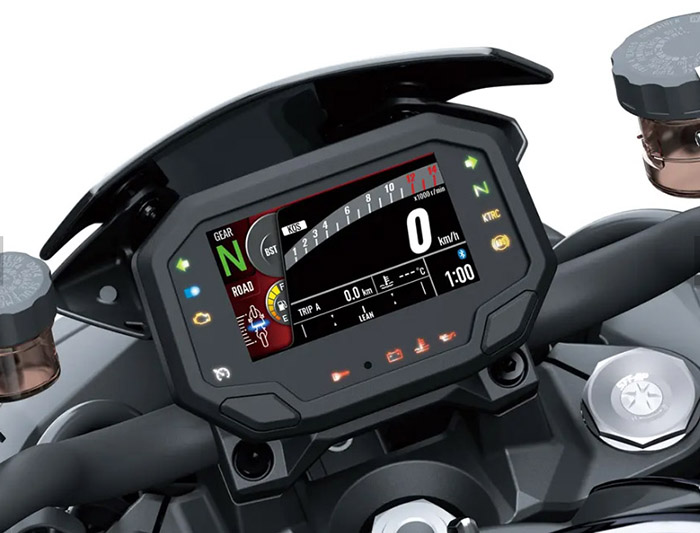
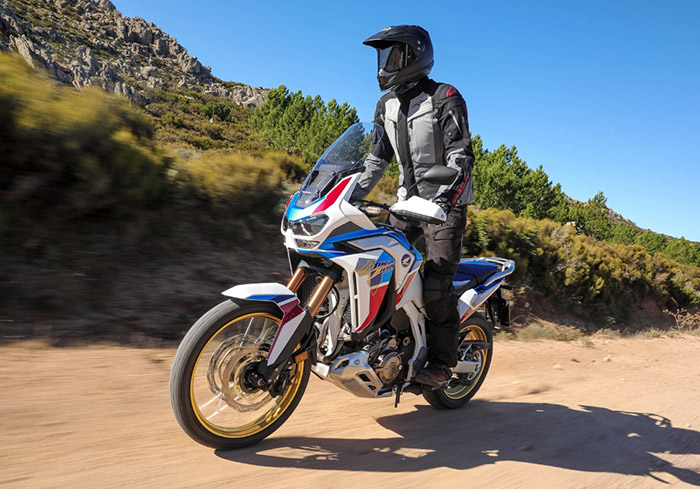 The third generation of Honda Africa Twin has finally matured into the bike that so many of its fans hoped it would be from the outset. Armed with enough of the latest electronic technology and a bit more go in its super-sized motor, it is a serious contender in the adventure bike market. But is Honda’s decision to move the stock bike more towards the off-road side the right one?
 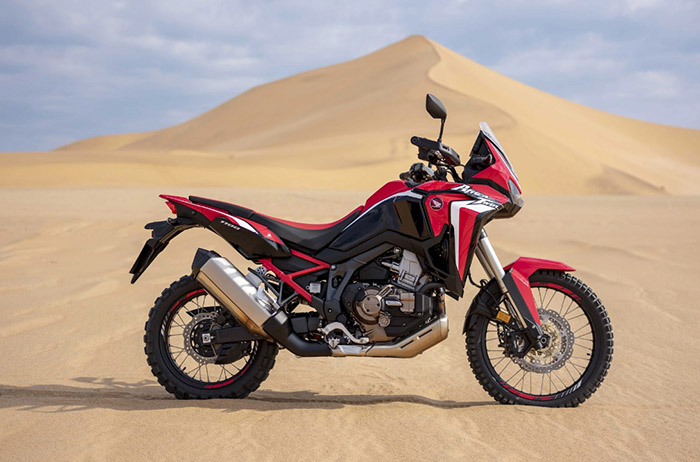 Out of the two models available on launch, the Honda Africa Twin Adventure Sports is certainly the one to opt for if you are a road rider who wants a mile-muncher and has limited interest in off-road riding.
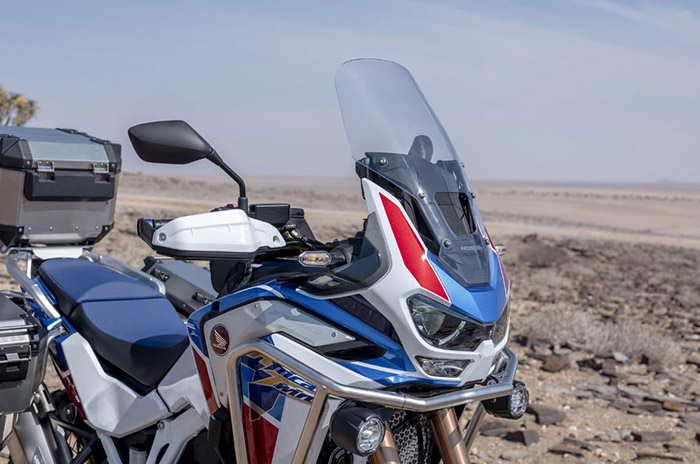 Showa’s Electronically Equipped Ride Adjustment (EERA) is linked to the six-axis IMU as well as stroke sensors and has three road settings and an off-road setting and can have its shock’s preload adjusted while the bike is stationary to suit two-up or riding with luggage.
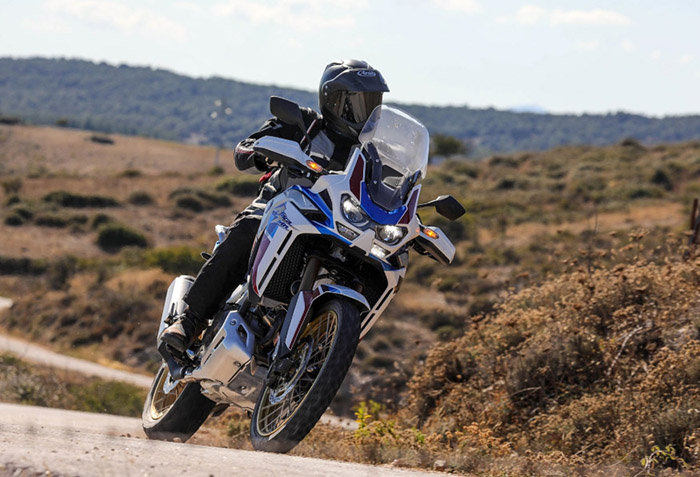 The parallel twin has received an increase in capacity from 998cc to 1084cc for 2020 through a 6.4mm longer stroke, boosting peak power and torque by 6.8bhp and 4.4ftlb respectively while also delivering increases throughout the rev range. Honda’s parallel twin has certainly benefitted from a very welcome bit of extra pep without losing its overall feeling of refinement. It’s not going to blow your socks off, but it is a definite improvement and certainty fulfills a touring brief with little vibes, a good throttle connection and slick gearbox.
 Bardahl Evan Bros. Yamaha Supported WorldSSP rider, Randy Krummenacher, was crowned as the 2019 Supersport World Champion, after an eventful race in Qatar that he finished in fifth place. Teammate Federico Caricasulo's challenge for the title was effectively ended on the opening lap, when he experienced a technical issue that dogged him throughout the race. The final race of the season was won by Lucas Mahias, with GMT94 Yamaha's Jules Cluzel and Kallio Racing Yamaha's Isaac Viñales joining the Frenchman on the podium.
 With Mahias pulling a gap at the front, Cluzel was embroiled in a battle with Viñales, as Perolari dropped back into the clutches of Caricasulo and Krummenacher, who were involved in their own battle for fifth place. The Italian eventually passed Perolari for fourth, with Krummenacher following him shortly afterwards to take fifth, which was enough for the Swiss rider to claim the 2019 Supersport World Championship title.
 Yamaha Motor Corporation, USA (YMUS), is pleased to announce a partnership with Attack Performance to field a two-rider team in the 2020 MotoAmerica Superbike Championship. The new Monster Energy Attack Performance Yamaha Racing team will be headed by four-time MotoAmerica Superbike Champion Cameron Beaubier and multi-time support class champion Jake Gagne, both riding YZF-R1s.
 Joining Beaubier is the 2015 MotoAmerica Superstock 1000 Champion, Jake Gagne. The 26-year-old, viewed by many as one of the top talents in the U.S., returned to the MotoAmerica Superbike Series this past season after a year abroad in the World Superbike Championship. In addition to his 2015 title aboard the Yamaha YZF-R1, Gagne was crowned AMA Pro Daytona SportBike Champion in 2014 on a Yamaha YZF-R6, and he looks to continue his championship success with the brand.
 Proving that he has the pace to keep up with the frontrunners in this sport, Cox stormed to his first ever E1 victory at the final round of the National Enduro Championship in Port-Elizabeth last month. The rider mentioned a long list of goals he’s been wanting to tick this season, and snatching enduro victory was one of them: